







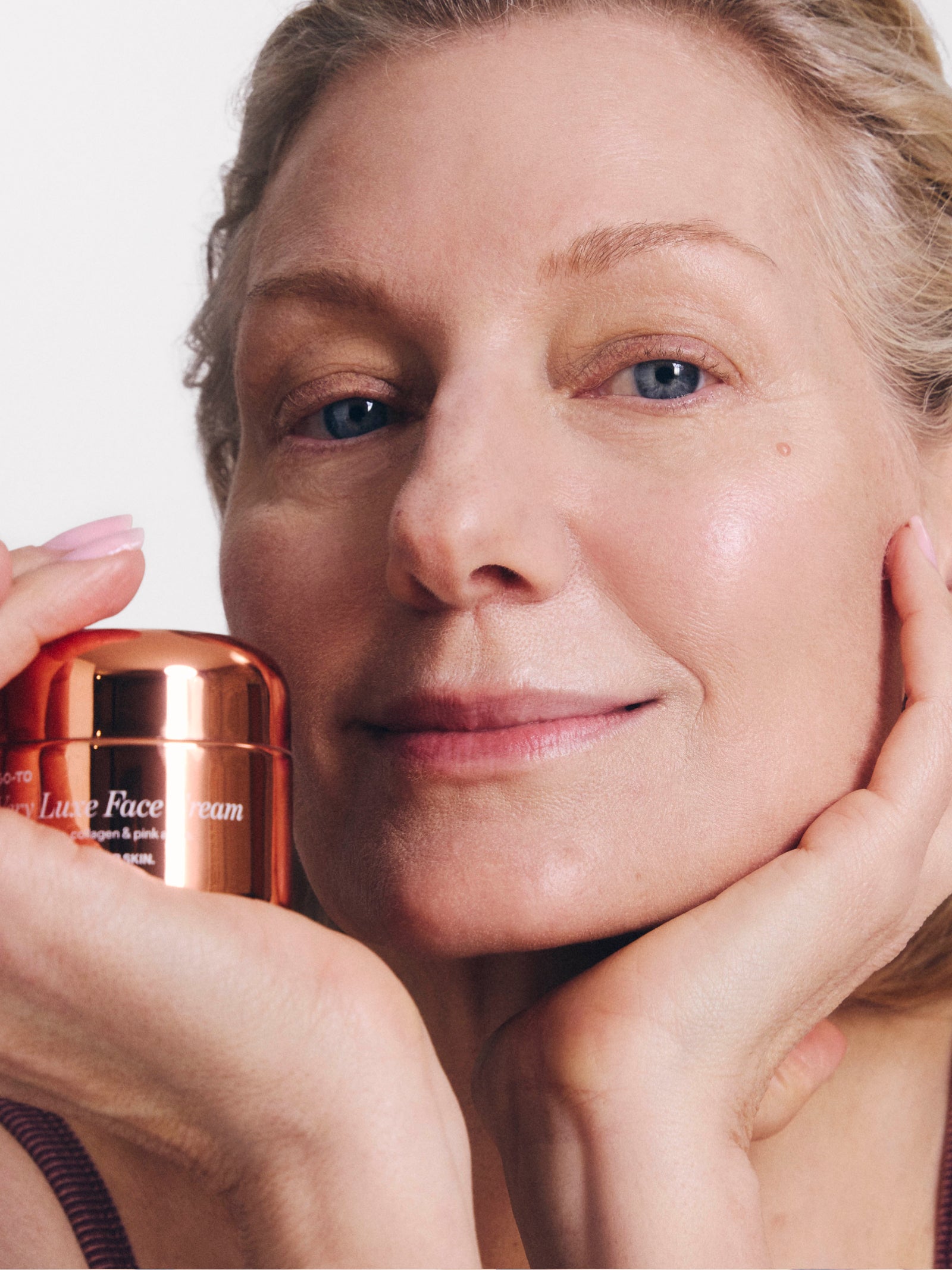


Dealing with sensitive skin can sometimes feel like you’re starting on the back foot. You’ve got to work a little harder to keep your skin feeling normal. Every fun and trendy active ingredient is actually a *bit* scary. And your Google search history has more than a few photos of red, itchy skin.
Trust me when I say I can relate, because not only do I have naturally sensitive skin, but in my early twenties, I found out the hard way that I have eczema too. Nothing like a massive, painful first flare up on an interstate girls trip to really knock your confidence about.
Fortunately, I’ve learnt a thing (or seven) about helping support my skin no matter where it’s at. More importantly, I’ve managed to simplify it by asking myself one question each time I do my skincare: Am I looking to reduce or prevent inflammation today?
How To Reduce Inflammation
If you’re reading this, I think it’s safe to assume you already know what inflamed skin looks like—because you’ve already dealt with more than your fair share of it .If not, common signs include redness, itchiness, rough texture, and even the feeling of heat trapped in the skin.
When I’m feeling any of those signs, then my goal is to help calm and reduce that inflammation in my skin.
Reducing inflammation looks like:
-
Sun protection every day.
-
Cutting out actives like exfoliating acids or retinols whilst in a flare up.
-
Keeping your routine simple but supercharged with skin barrier supporting ingredients like ceramides, panthenol, and aloe.
-
Boost your hydration throughout the day with a mist or even a damp cloth to help make skin more comfortable.
How To Prevent Inflammation
When my skin is feeling like it’s strong and well, then I can shift my focus towards prevention instead. Not to be too doomsday about it, but inflammation in the skin can be linked to a decline in overall skin health and function. Supporting your skin to function means that your collagen production and retention of hydration are better AKA future you is going to be grateful for what you do now to keep it feeling juicy and bouncy. Prevention is better than a cure and all that.
Preventing inflammation looks like:
-
Sun protection every day.
-
Prioritising a source of hydration and antioxidants in your routine.
-
Listening to your skin when it comes to including actives such as retinol.
-
Avoiding products or ingredients you have known reactions to
No, you’re not reading that wrong, sun protection is on both lists because it really is that important in general but especially if you’re dealing with skin sensitivity.
The really good news is that if you’re dealing with skin that’s sensitised rather than straight up sensitive, a lot of this same advice overlaps and will still be helpful to you. Sensitised skin speaks more to a temporary state, such as a reaction to a new product or the aftermath of a nasty breakout, but you can read more about that here.
How To Manage Inflammation
Now I know all of that reads like I’m the fun police, telling you that you should be in a constant cycle of cutting things out or just preparing for the next time your skin throws a tantrum. Boo, boring!
What I’m actually going to do is share some of my own tips and tricks that can help you feel like your sensitive skin routine is still exciting and a luxe moment for yourself, not some clinical steps to get over and done with.
Look at including actives a bit differently
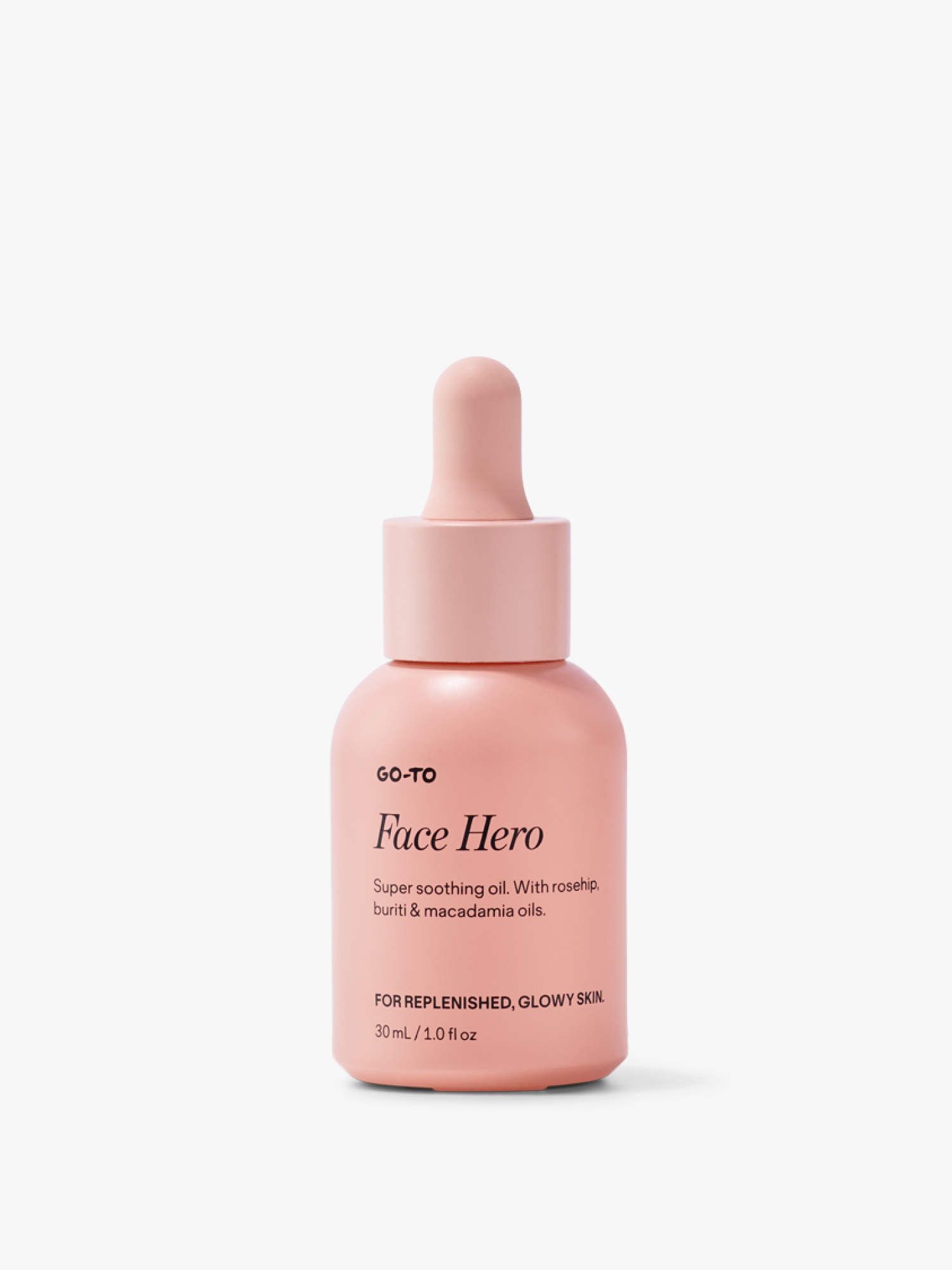
Vitamin C is an excellent antioxidant but can be irritating in a high concentration serum. Instead, maybe reach for a face oil that combines the naturally vitamin C-rich rosehip oil with other anti-inflammatory and nourishing oils that are not just tolerated, but a very welcome addition for your sensitive skin. Wouldn’t you know it, I happen to have a very specific product recommendation that does exactly that: Face Hero. She’s been in my routine for nearly 10(!!!) years now and continues to deliver.
Cleansing should be about giving back
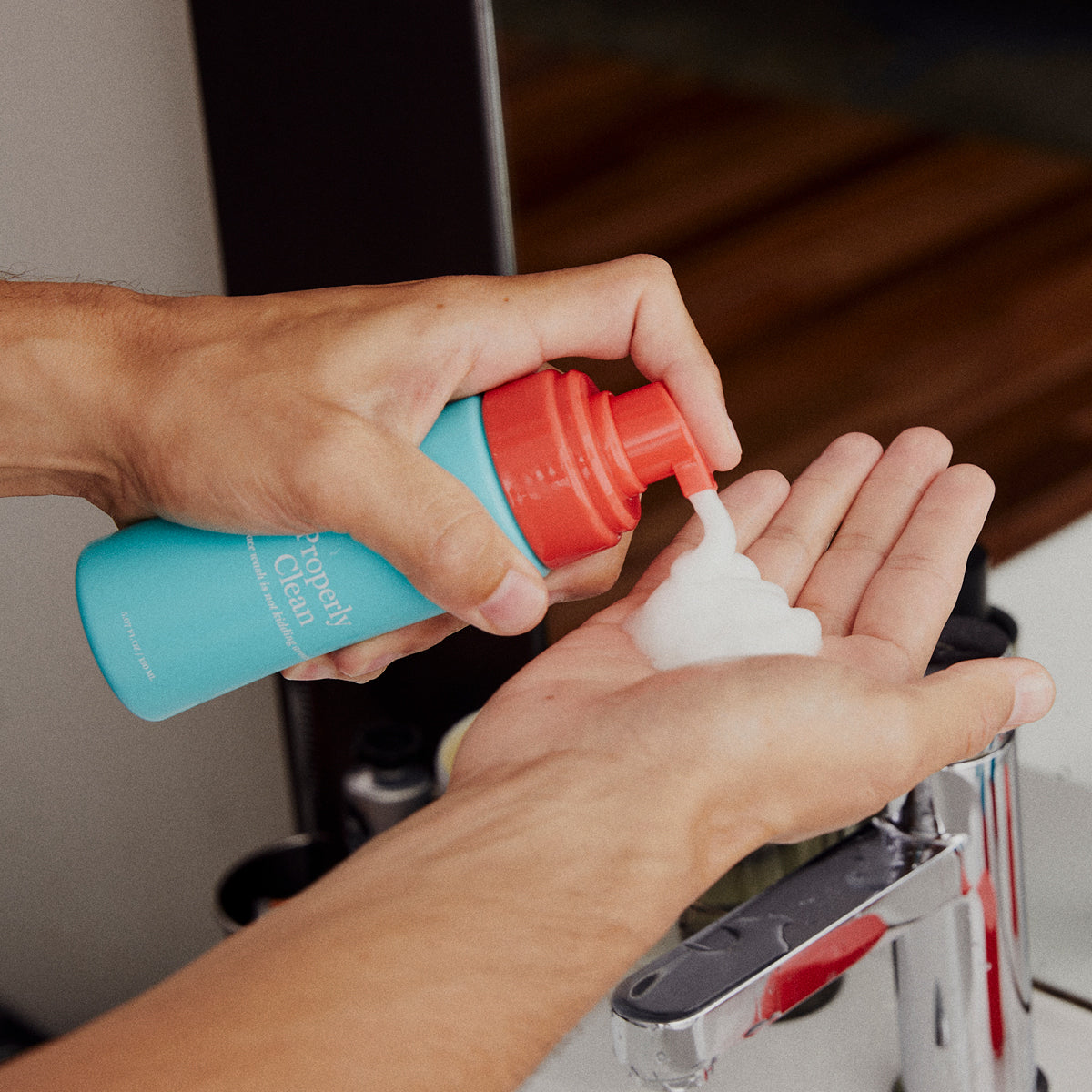
It sounds a little silly to talk about something you wash your face with as ‘giving back’ but it’s absolutely true. No doubt we’ve all had the experience of washing off our cleanser only for our skin to feel worse than when we started, yikes! Prioritise using one that has a nourishing oil formula, or a cream texture if you’re going for that double cleanse, will really help set you up properly and start that hydration process before you even get to your exciting serums.
Treat yourself (and your skin)
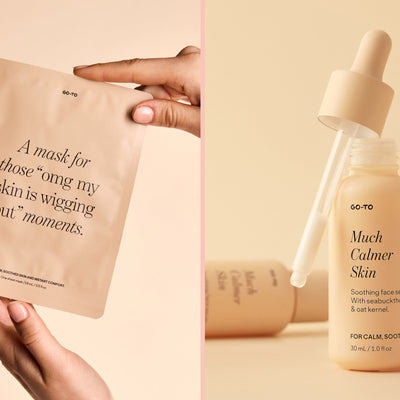
No seriously, you can absolutely still treat yourself to that at home facial moment if you have sensitive skin. Instead of focusing on resurfacing, reach for a nourishing mask with yummy skin barrier-loving ingredients like ceramides and panthenol. When you’re sensitive like me, that juicy, glowy skin is going to come from supporting and strengthening that barrier, not from going hard with the exfoliants.
Avoid trends, just listen to your skin
I’m sorry to say it but a strict skin cycling schedule of exfoliation and retinoids or jumping on the latest ingredient trend is probably going to do more harm than good for your sensitive skin. I have been super guilty of this in the past and I can honestly say that 9 times out of 10, my skin is worse for wear after.
Whilst it is super exciting to see what’s new and next, in the long run it’s probably better for you to keep coming back to that strong core routine you’ve built for your skin. If you do want to try something new, ask yourself if it’s adding anything to your routine before you slowly introduce it to your routine.
Anyone with sensitive skin knows that it can feel quite daunting or even overwhelming to constantly be figuring out how to look after it or handle the latest flareup. As someone who is still figuring it all out themselves, I hope my tips can help in guiding you to give back and be a little more gentle with your skin (and yourself).
Hear more from Morgan over here.
Comments