








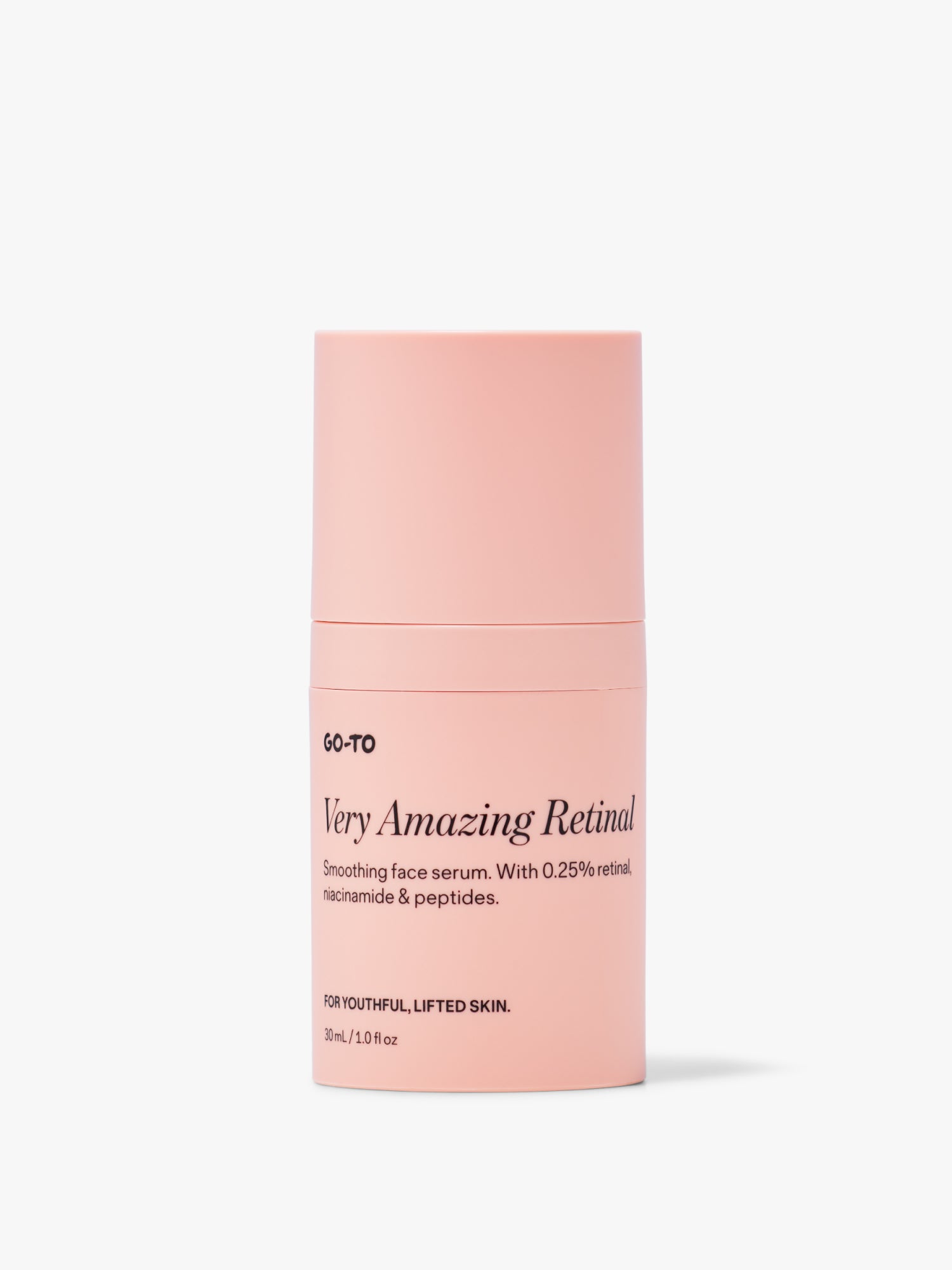
In terms of high-performance skincare, vitamin A (or retinal, or retinol) reigns supreme. With a sprawling list of benefits under its belt and plenty of clinical proof to back it up, we contend that there’s no better addition to your skincare regimen than a vitamin A serum.
But to reap all these benefits, the products you use with your vitamin A can be just as important. Especially moisturiser.
Moisturiser and retinal go hand-in-hand. They’re the Matt and Ben of skincare, if you will; they do their best work when they’re working together.
So here’s how to find the right moisturiser to use with your retinal routine (and achieve Good Will Hunting-level skin).


Why Moisturiser Matters With Retinal
If you’re familiar with something called the sandwich method, you’re probably all across why moisturiser is crucial when incorporating vitamin A into your routine. But for a quick recap.
In the beginning, moisturiser crucially helps to prevent irritation.
Retinal works by speeding up your skin cell turnover—leading to that delightfully smooth, clear, firmer-looking skin. But faster cell turnover can royally Piss Off your skin barrier at first.
Your barrier is made up of skin cells (they’re like the bricks) and lipids (that’s the mortar). When your skin is pumping out those new cells, your lipid production hasn’t always caught up yet, meaning your barrier is compromised and more permeable. Leading to TEWL, increased sensitivity, and inflammation.
But once your skin has adjusted to retinal, a good moisturiser magnificently helps boost results and protects your barrier long-term.
Ultimately, the easiest hack to boosting your retinal results is to use a quality moisturiser every night.
How Moisturiser Boosts Retinal Results
Vitamin A does a lot—it smooths, it lifts, it evens skin tone, it tells you when it’s time to get your oil changed (no). And hydrated, supported skin is going to respond better to all these benefits better than cranky, dehydrated, compromised skin. The ultimate moisturiser hack for retinal results is finding one that is can help maintain your skin health and limit those initial side effects.
A good moisturiser is going to:
Strengthen barrier integrity. A healthy skin barrier makes sure the active compounds of retinal can effectively penetrate this skin. Retinoids (like retinal) are absorbed into the skin via intercellular lipid pathways, aka. the microscopic routes between skin cells.
When these are intact and strong, your vitamin A serum can be steadily absorbed through a controlled delivery which minimises the chance of inflammation and sensitivity.
Improves enzymatic conversion. Retinoids work through an enzymatic conversion that turns your retinal into retinoic acid. A hydrating environment is going to support this enzyme activity so you get the most out of your vitamin A product.
Enhance results. Beyond all the fancy science/skin things, hydrated skin just generally appears healthier. Even if your retinal serum is helping to boost skin smoothness, elasticity, and firmness—dry, depleted skin will dull results.
What’s The Best Moisturiser To Use With Retinal
The right moisturiser can help ensure you can maximise the benefits. When picking your moisturiser, we recommend looking for something:
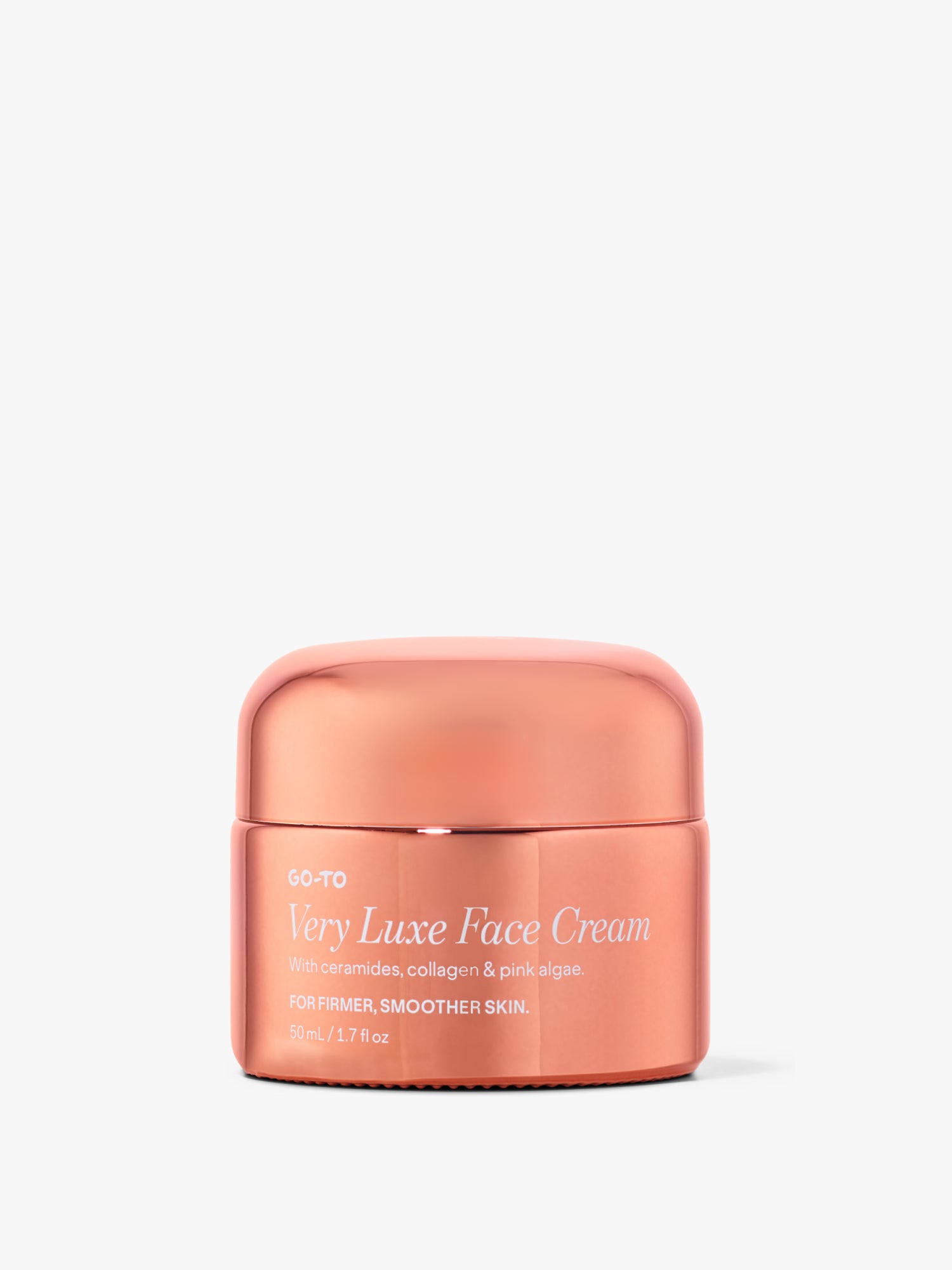
Rich in ceramides and fatty acids: A ceramide- and fatty acid–rich moisturiser strengthens your skin barrier to help boost your vitamin A benefits. A healthier barrier means skin cells function healthier leading to retinal signalling for collagen production and renewal more efficiently. Most importantly, better barrier support improves your skin’s tolerance to vitamin A so your skin can reap the long-term benefits of retinal sooner.
Suited to your skin type: Choosing a moisturiser suited to your skin type is crucial—something that supports your barrier without overloading or under-delivering. If it’s too light for dry skin, you’ll still experience water loss and irritation; if it’s too heavy for oily or breakout-prone skin, it may lead to congestion and trigger a whole gamut of other skin issues.
The right moisture match keeps your skin balanced, comfortable, and stable, helping active ingredients (like retinal) work more effectively over time. Want to meet yours? We have a quiz for that.
Retinoid use is not recommended during pregnancy or breastfeeding. *Always consult your GP to determine exactly what your skin needs during this period.*
Comments