








You can’t escape pollution. Unless you’re moving to the middle of nowhere, in which case, can we come?
Between car exhaust, smoke, dust, and city smog—it's in the air, in our hair, on our skin, and—subsequently—messing with our glow. And while we can’t single-handedly fix air quality, we can make sure our skincare routine is protecting our complexions from its effects.
Here’s how to keep your skin happy, healthy, and far less cranky in the face of pollution.
Why Pollution Is Harmful to Your Skin
Pollution doesn’t just make the sky hazy—it can make your skin dull, dehydrated, and prematurely aged. Tiny particles in the air (we’re talking smaller than a pore) settle on your face, clogging things up and breaking down your skin’s natural barrier.
These particles make up free radicals—those unstable molecule pests that damage collagen, trigger inflammation, and speed up the ageing process. Free radicals can be the dark force behind fine lines, breakouts, dryness, and that general “blah” look that no amount of concealer can quite hide.
Plus! If your skin barrier is compromised? It’s more sensitive, more reactive, and less able to protect you from anything the world throws your way.
Skincare Tips To Protect Your Skin from Pollution
Pollution-proofing your skin doesn’t always mean escaping the city for a life in crisp country air. Although that would be nice. It just takes a few smart tweaks to your daily routine. Here’s your skin’s A-Team for surviving air pollution.
-
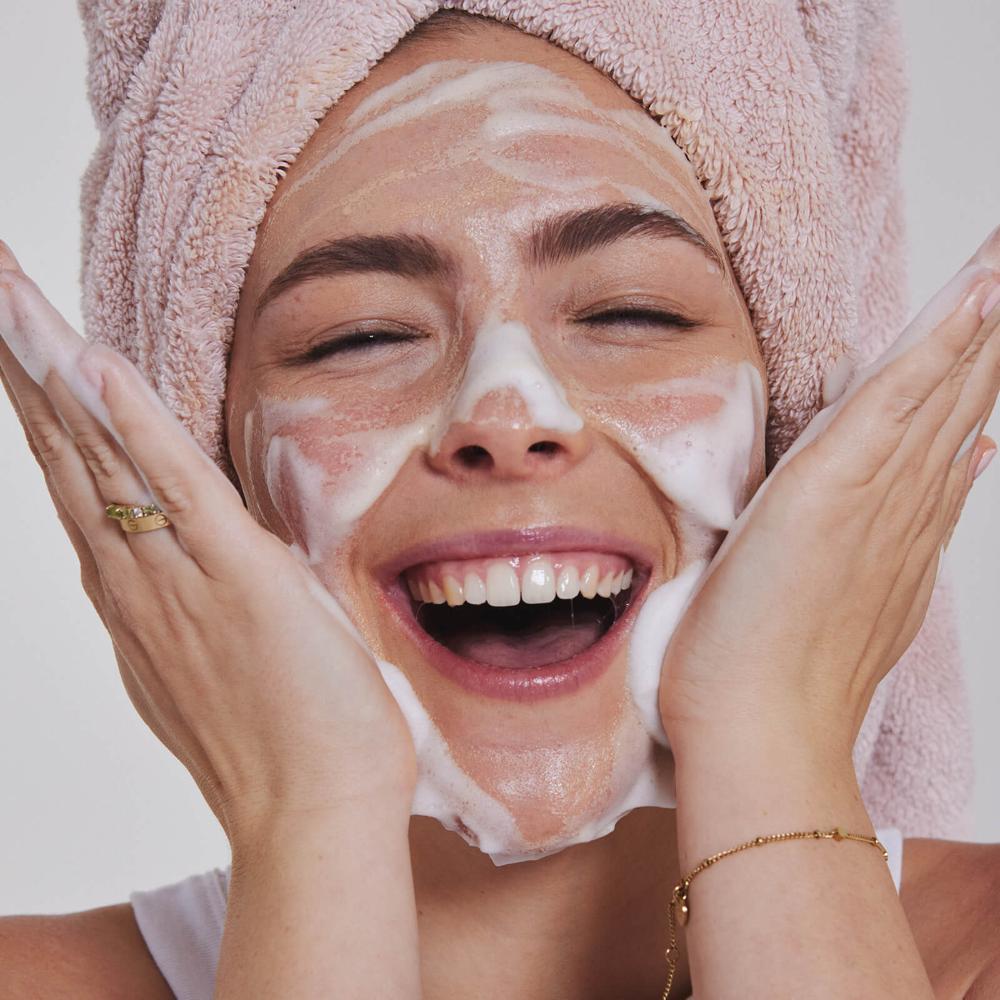
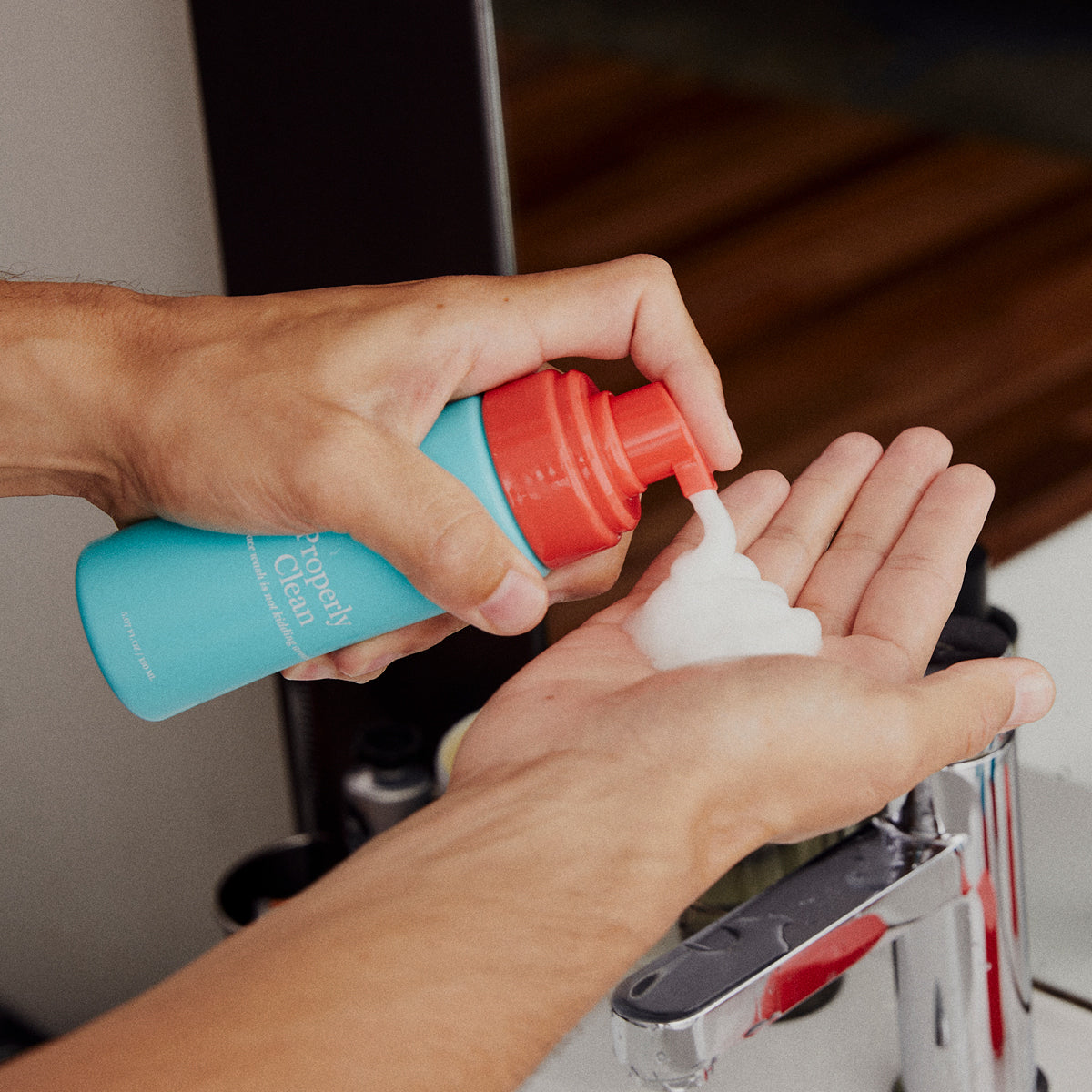
Double cleanse at night. The first cleanse removes makeup, SPF, and pollution grime. The second actually cleans your skin.
-
Exfoliate (2-3 times a week). When facing the force of free radical damage, your skin won’t need any help looking dull. A simple exfoliator will sweep away dead skin cells and keep skin smooth and healthy. And do it gently. Over-exfoliating can damage your barrier and cause even more environmental damage.
-
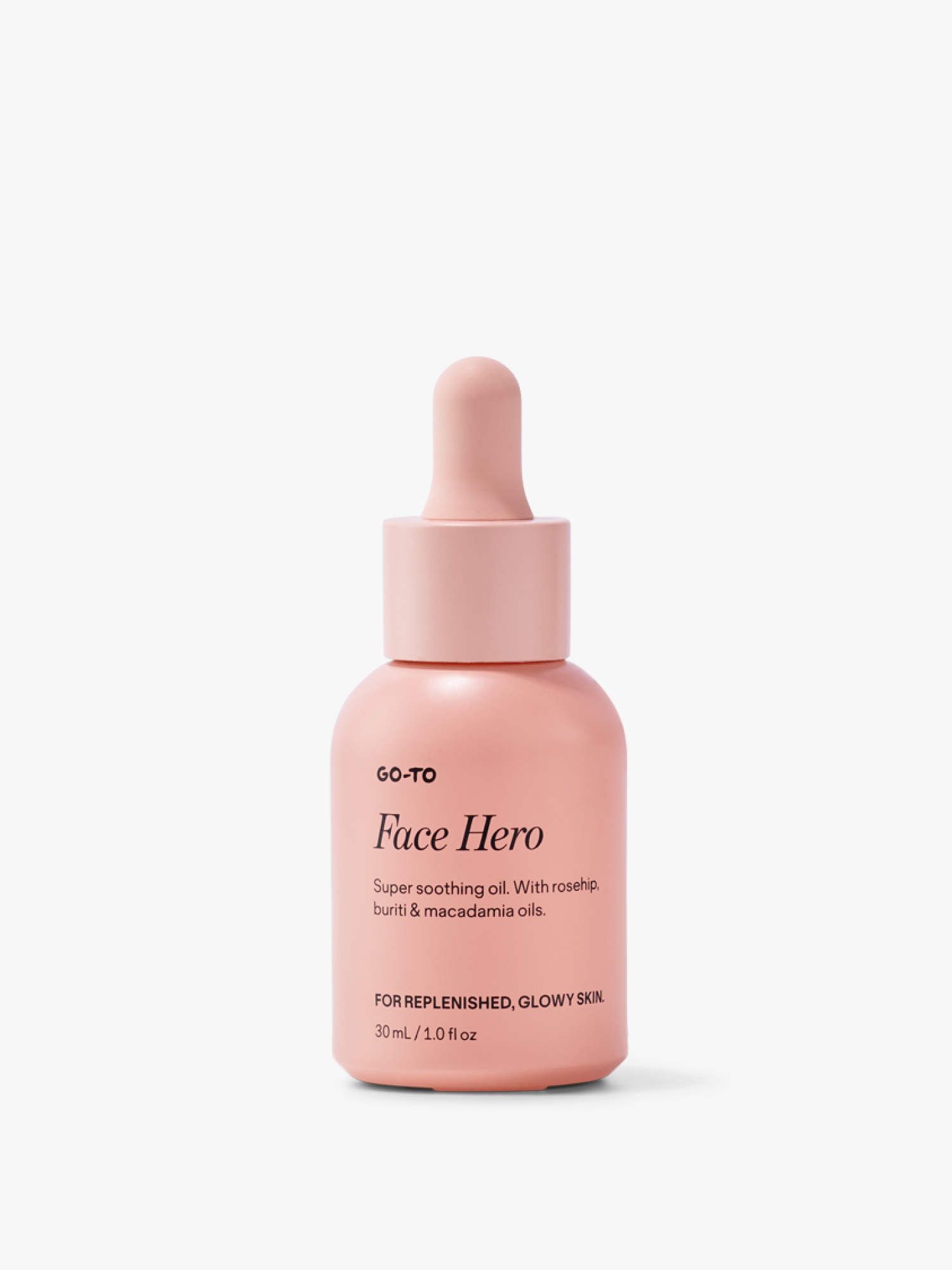
Layer up on antioxidants. Ingredients like vitamin C and CoQ10 fight free radicals and strengthen your barrier. They’re basically your skin’s personal bodyguards against the wrath of free radicals. Face Hero is a cult favourite for a reason—it’s loaded with oils that nourish, calm, and defend against environmental stress. For oily, breakout-y skin types, Clarifying Face Hero can tackle your blemishes while still protecting your skin.
-
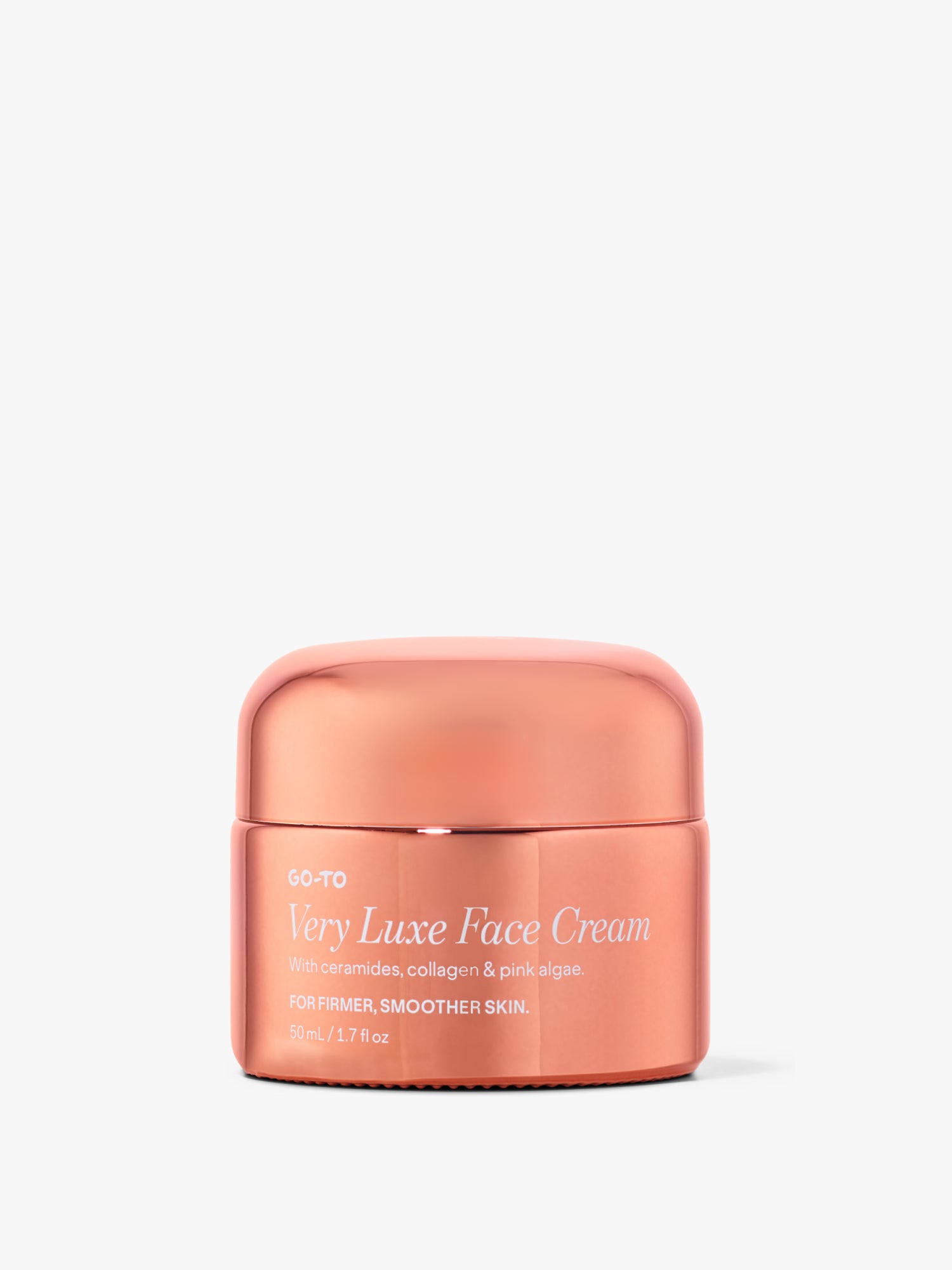
Moisturiser: Hydration helps your skin repair and resist pollution damage. Keep your barrier plump and happy with Very Useful Face Cream.
-
Seal it all in with SPF. UV rays and pollution are a formidable duo who love to team up to cause extra damage.
Bonus! Lip care: Don’t forget your lips! They’re skin too, and they face the same pollution punishment. Lip Hero keeps them soft and supple.
Lifestyle Habits To Minimise Pollution Damage
Skincare’s important, but what you do beyond your bathroom vanity matters too.
-
Hydrate like it’s your only job. Pollution can dehydrate the skin, so drink plenty of water to keep things balanced.
-
Eat your antioxidants. Colourful fruits and veggies help protect your skin from the inside out.
-
Clean your pillowcases and makeup brushes. You don’t need any help getting more grime on your skin! Bacteria can linger on fabrics and tools, making breakouts more likely—a regular wash will help sort that out.
-
Avoid smoking and secondhand smoke. It’s one of the biggest contributors to oxidative stress on the skin.
FAQs
How does pollution cause skin ageing?
Pollution creates free radicals that break down collagen and speed up wrinkles and sagging.
Do I need special anti-pollution skincare products?
Not necessarily. Focus on antioxidants, barrier repair, and daily cleansing—those are your MVPs when it comes to tackling the effects of pollution on the skin.
Can antioxidants really protect against pollution?
Yes! They neutralise free radicals and reduce oxidative stress, helping your skin stay firm and bright. Nice!
Is double cleansing necessary if I don’t live in a polluted city?
Absolutely. It’s the best way to remove every trace of dirt and grime—as well as your makeup and SPF. Find out more here.

Comments